15 Best Fiction Books About Knights
A selection of fifteen works of fiction about knights, written in different eras.
Foreword
Chivalric themes in literature have captivated readers of all ages for centuries. Indeed, who among us has not heard the stories of the knight Lancelot, King Arthur, or the wizard Merlin? As early as the 12th century, Chrétien de Troyes was creating romances about the Knights of the Round Table, becoming one of the authors who largely shaped the literary tradition of the Arthurian cycle.
More than eight centuries have passed since then, yet stories of knightly tournaments, crusades, nobility, betrayal, and the quest for glory remain in high demand. A selection of fifteen works of fiction about knights, written in different eras.
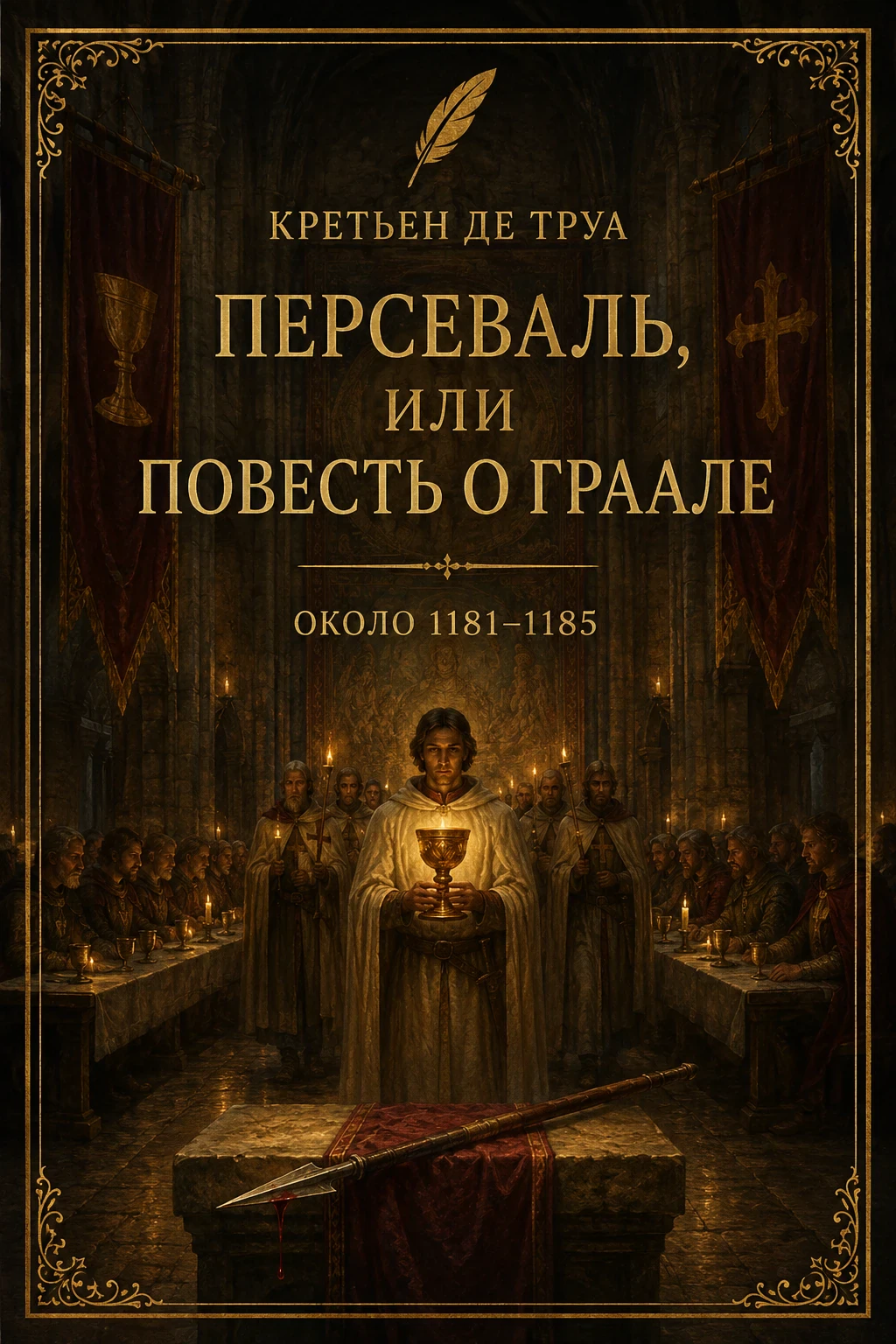
1. Chrétien de Troyes - *Perceval, or the Story of the Grail* (c. 1181-1190)
Young Perceval grows up far from the world of knighthood, but after a chance encounter with knights, he decides to leave home and head to King Arthur's court. Later, he finds himself in the castle of the Fisher King, where he witnesses a mysterious procession featuring the Grail and a bleeding spear; however, he does not ask unnecessary questions about what he has seen, after which he undergoes a long journey of trials and spiritual maturation.
A curious fact about the book: *Perceval* is the earliest surviving literary text in which the mysterious Grail appears. Although Chrétien de Troyes did not manage to finish the work, its plot was subsequently continued by other medieval authors.
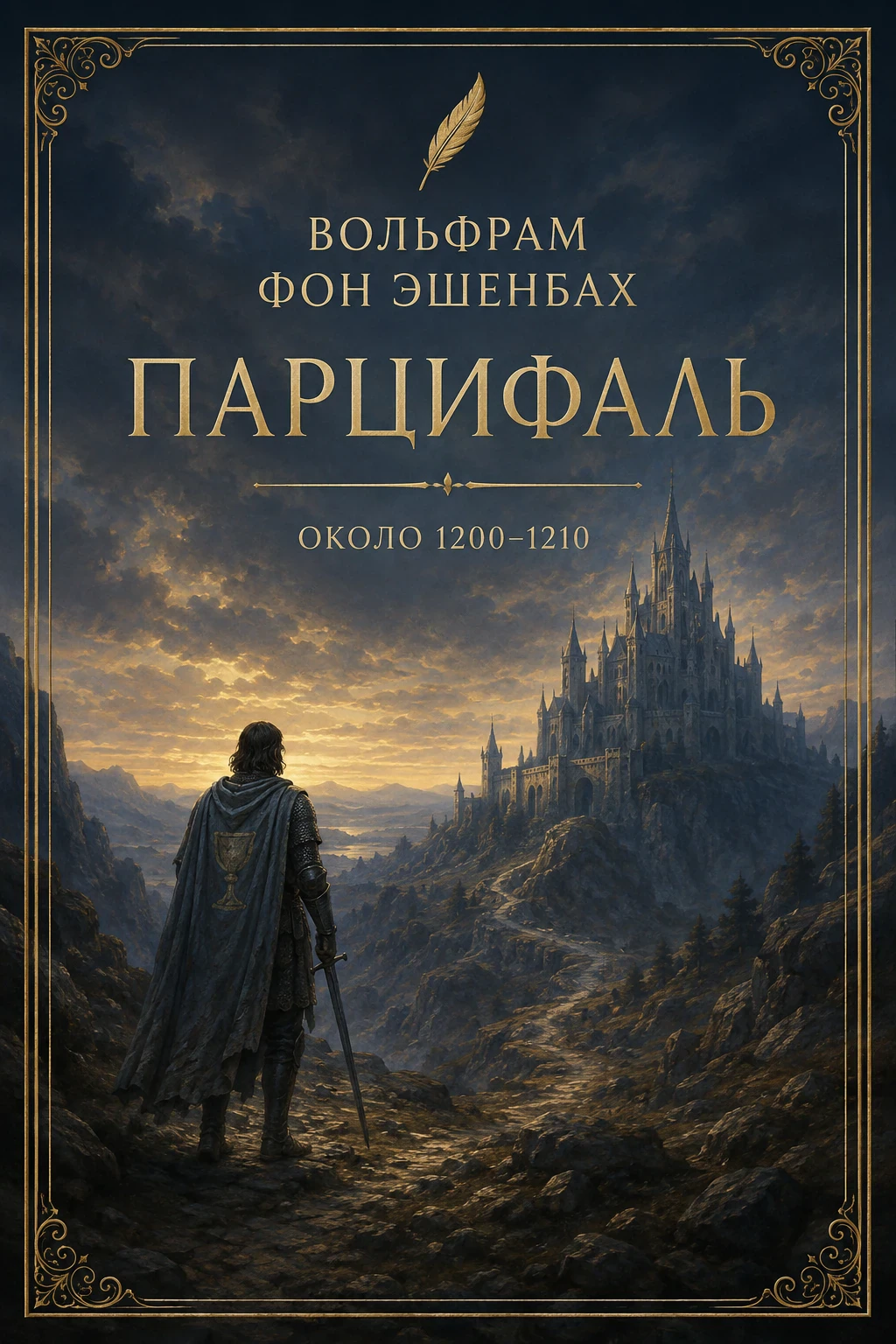
2. Wolfram von Eschenbach - *Parzival* (c. 1200-1210)
Parzival is raised by his mother far from knightly society, but he leaves home to seek adventure, striving to become a knight. Upon reaching the Grail castle, he fails to ask the question that could relieve the suffering ruler of his ailment, after which he undergoes a long journey of trials and spiritual maturation.
A curious fact about the book: a significant portion of the work is dedicated not to Parzival himself, but to the adventures of the knight Gawain. Sixteen almost complete medieval manuscripts of *Parzival* and over seventy fragments have survived to this day, testifying to the work's immense popularity in the Middle Ages.
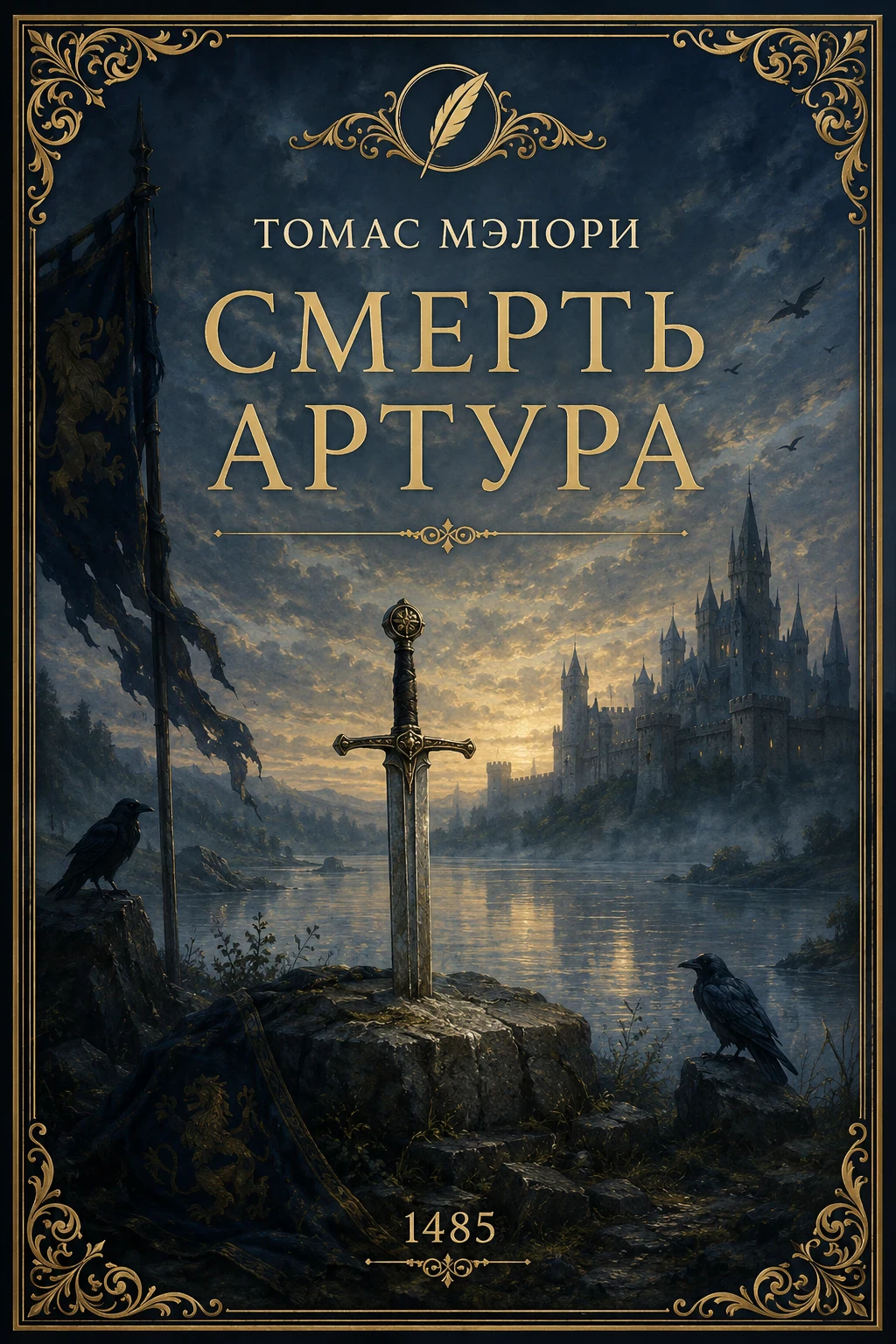
3. Sir Thomas Malory - *Le Morte d'Arthur* (1485)
This vast prose compilation brings together the stories of King Arthur and the Knights of the Round Table. The book tells of Lancelot, Gawain, Tristan, the quest for the Holy Grail, the love between Lancelot and Guinevere, and, finally, the downfall of the Arthurian kingdom.
A curious fact about the book: Malory completed the work approximately in 1469-1470, and the first printed edition was released by William Caxton in 1485. A unique surviving manuscript of the work is held today in the British Library.
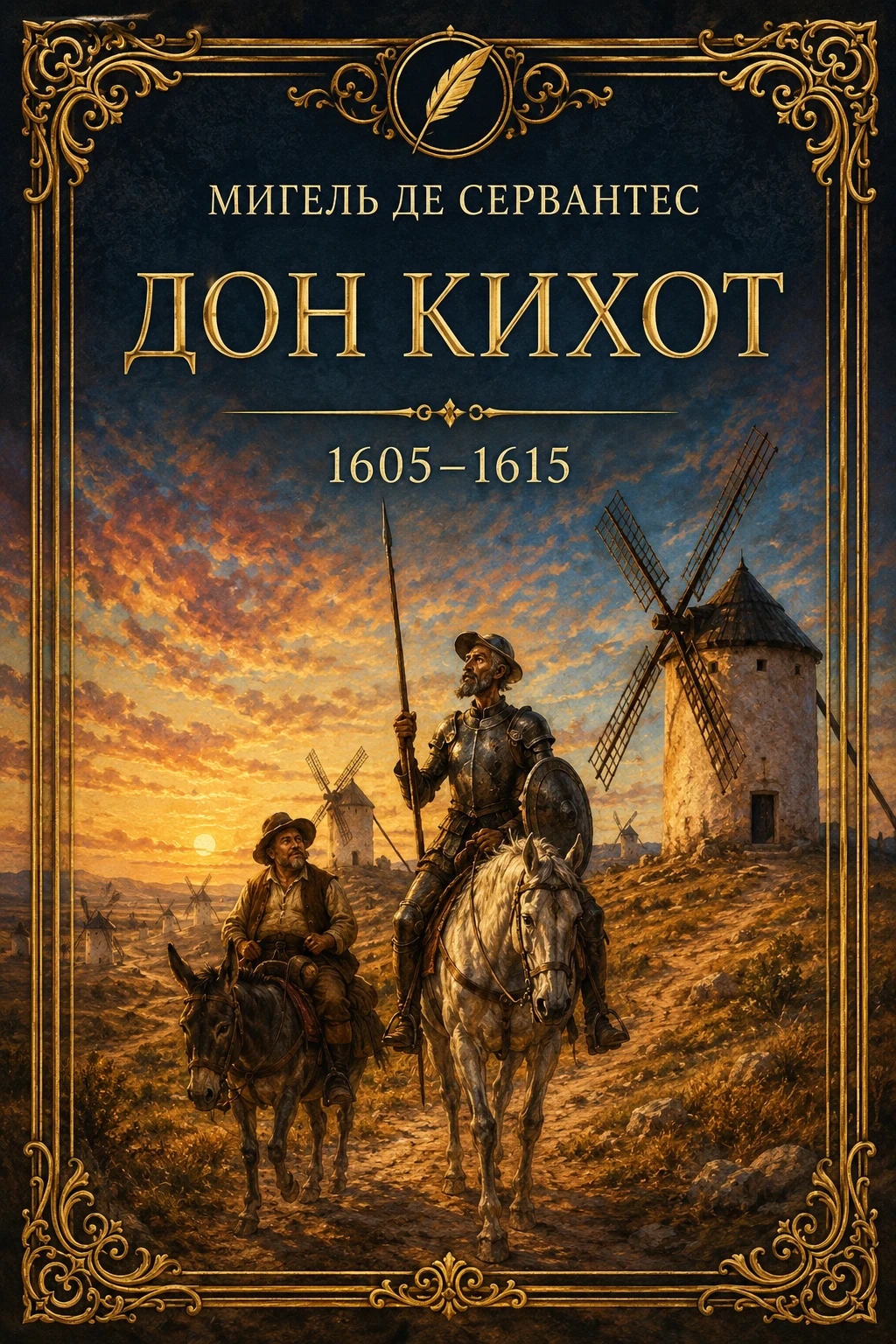
4. Miguel de Cervantes - *Don Quixote* (1605-1615)
The impoverished hidalgo Alonso Quixano becomes so obsessed with chivalric romances at one point that he calls himself Don Quixote of La Mancha and decides to become a wandering knight. Alongside his squire, Sancho Panza, he sets out to perform heroic deeds, perceiving reality through the lens of the knightly romances he once read.
A curious fact about the book: the first part of the story of Don Quixote was published in 1605, and the second in 1615. Despite the staggering success of the first part of the novel, Cervantes had not planned to release a sequel so quickly. However, he was spurred to hasten the publication of the second part by another author who, under the pseudonym Avellaneda, released a fake sequel to the adventures of the wandering knight.
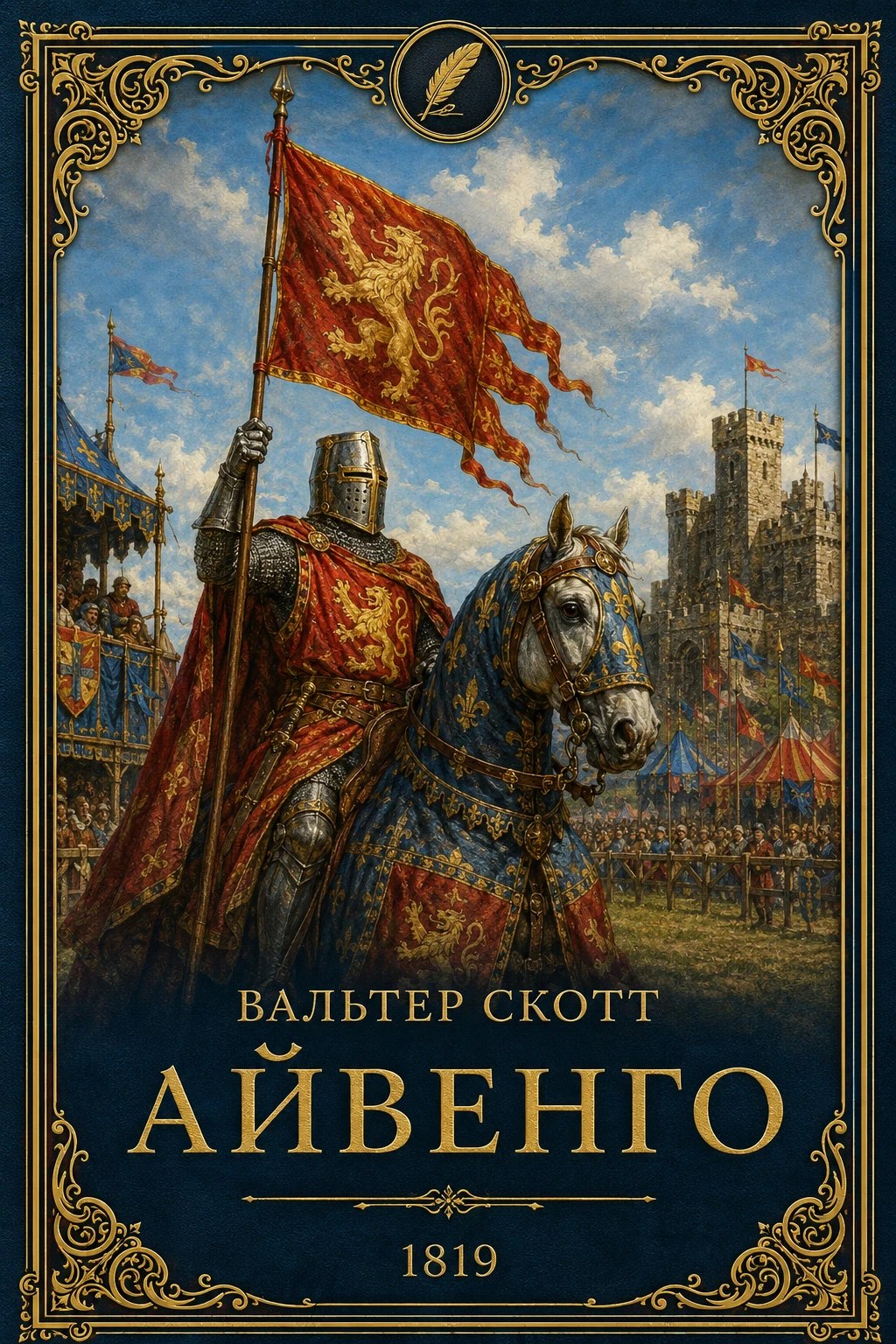
5. Walter Scott - *Ivanhoe* (1819)
The book is set in late 12th-century England. At the centre of the narrative is the knight Wilfred of Ivanhoe, who returns to his homeland and becomes embroiled in the struggle for the English throne, entering into a confrontation with the powerful Templar Brian de Bois-Guilbert.
A curious fact about the book: the novel features a considerable number of historical figures, such as King Richard the Lionheart and his brother Prince John, as well as a skilled archer hiding under the name Locksley, who is revealed in the narrative to be the legendary Robin Hood.
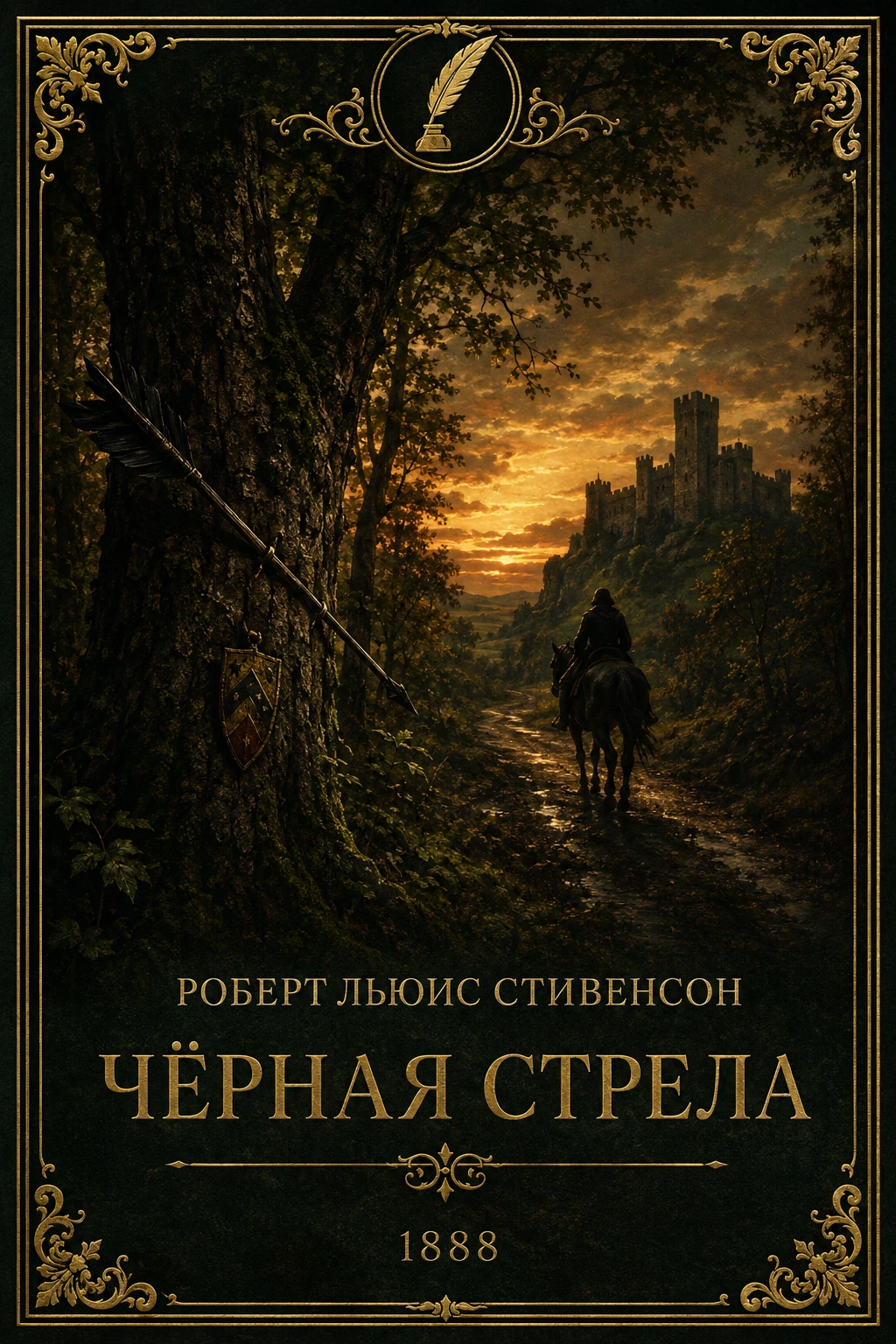
6. Robert Louis Stevenson - *The Black Arrow* (1888)
This historical adventure novel is set in 15th-century England during the Wars of the Roses. Young Dick Shelton, in an attempt to uncover the circumstances surrounding his father's murder, finds himself caught in the struggle between the opposing sides of the conflict.
A curious fact about the book: the work was first published in parts in 1883, with Stevenson publishing it under the pseudonym Captain George North. *The Black Arrow* was only released as a standalone book in 1888.
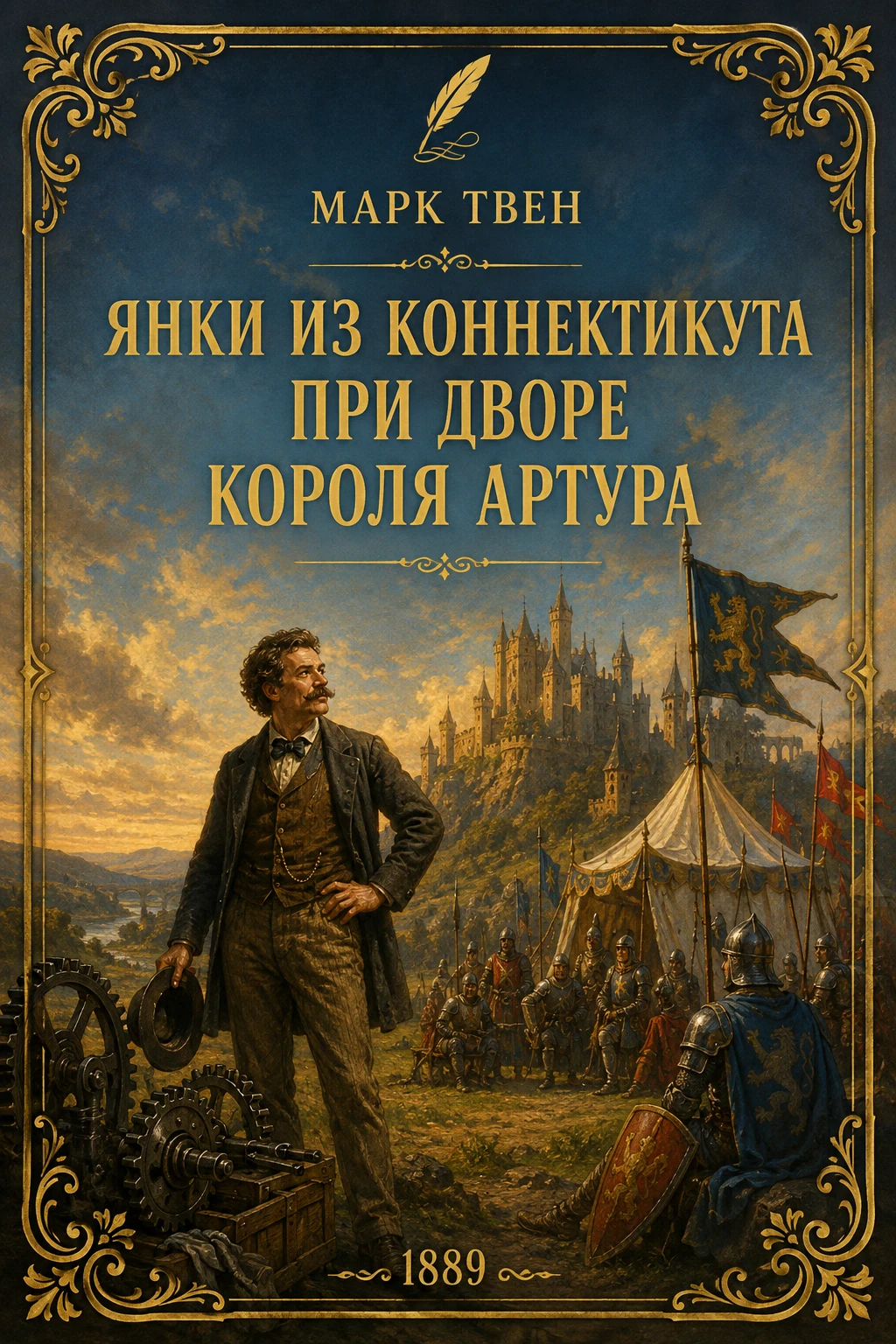
7. Mark Twain - *A Connecticut Yankee in King Arthur's Court* (1889)
After a blow to the head, an American named Hank Morgan inexplicably wakes up at the court of the legendary King Arthur. Using the scientific and technical knowledge of the 19th century, he quickly gains influence and attempts to transform medieval society in accordance with his ideas of progress.
A curious fact about the book: Twain's novel features Arthur, Merlin, Lancelot, and many other characters from the legends of the Knights of the Round Table. At the same time, the book is not only an adventure story but also a satire, in which the writer ironises both the Middle Ages as idealised by many writers and modern society.
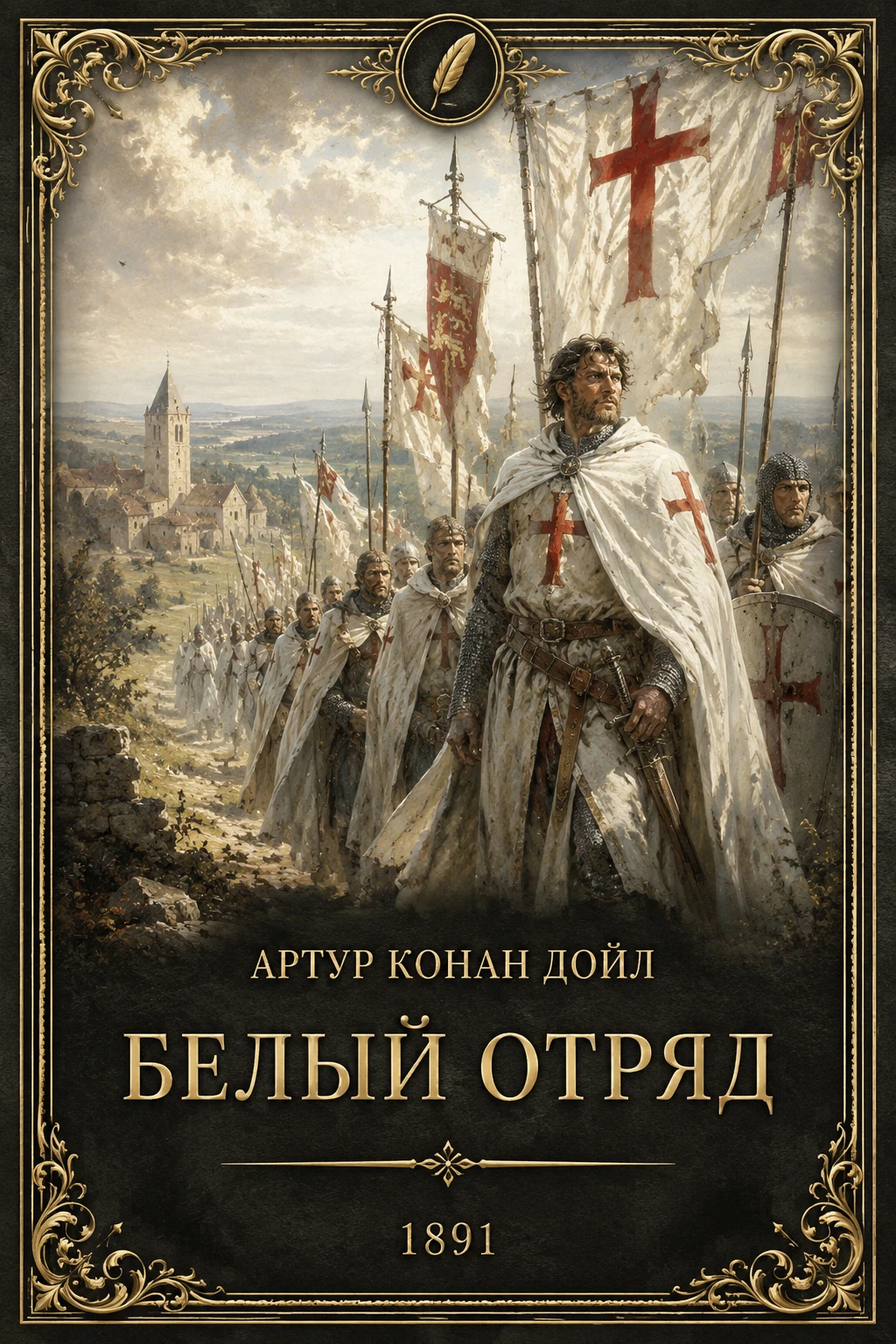
8. Arthur Conan Doyle - *The White Company* (1891)
The story takes place in 1366-1367, during the Hundred Years' War. Having grown up in a monastery, Allain Edricson becomes the squire of Sir Nigel Loring and, together with the White Company, sets out on a military campaign that takes the heroes through France and eventually into Spain.
A curious fact about the book: alongside fictional characters, the novel features real historical figures-the Black Prince Edward, the renowned knight Sir John Chandos, King Peter I of Castile, and the French commander Bertrand du Guesclin.
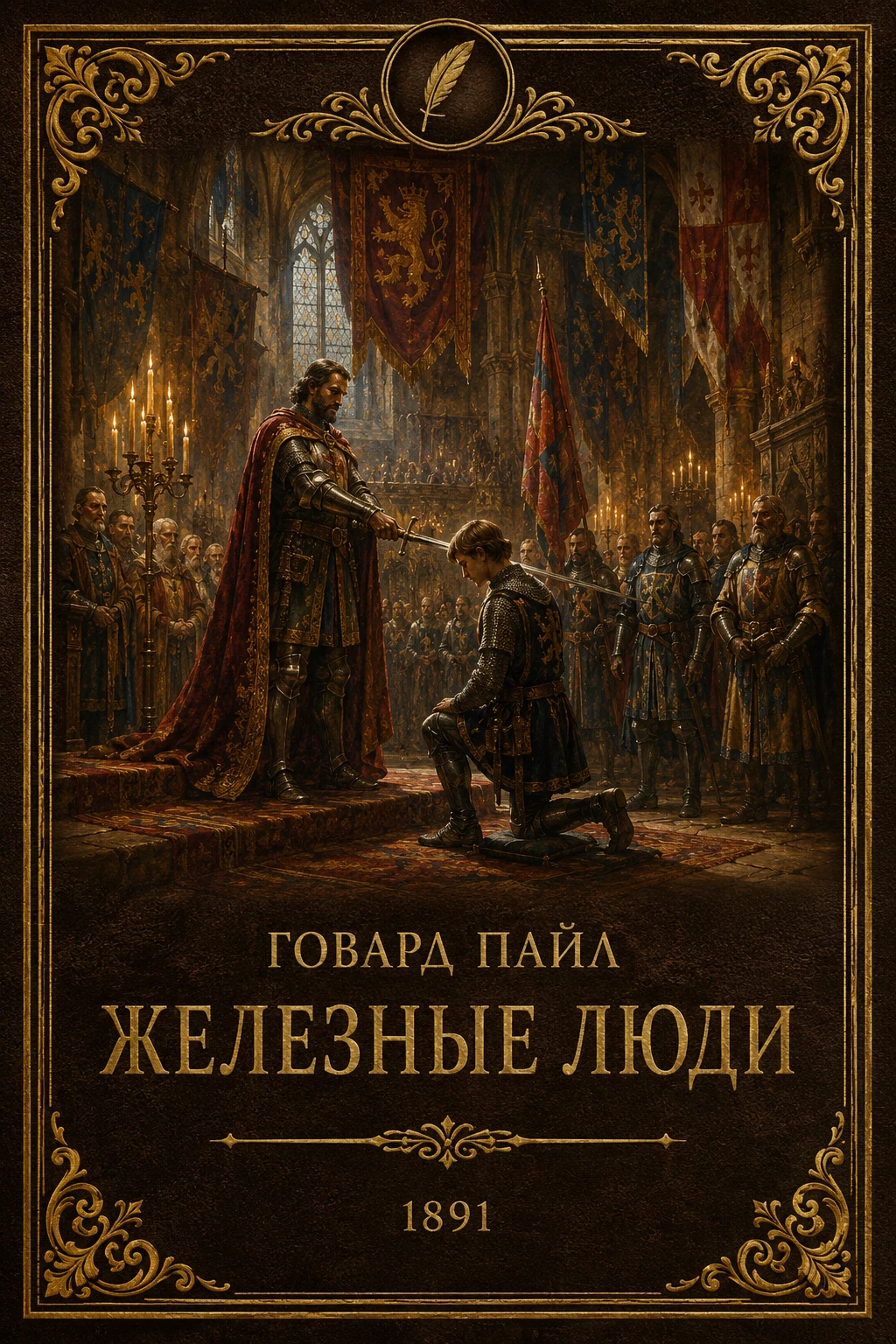
9. Howard Pyle - *The Men of Iron* (1892)
Miles Falworth is the son of an English nobleman accused of treason. One of the hero's main goals is to restore his father's good name. The youth undergoes training as a squire, masters weaponry, participates in duels, and ultimately becomes a true knight.
A curious fact about the book: Howard Pyle was not only a writer but also a famous American illustrator, so he created the illustrations for *The Men of Iron* and many of his other works himself. The story, along with 21 illustrations, was originally published in *Harper's Young People* magazine from January to June 1891, while a separate book edition was published the following year.
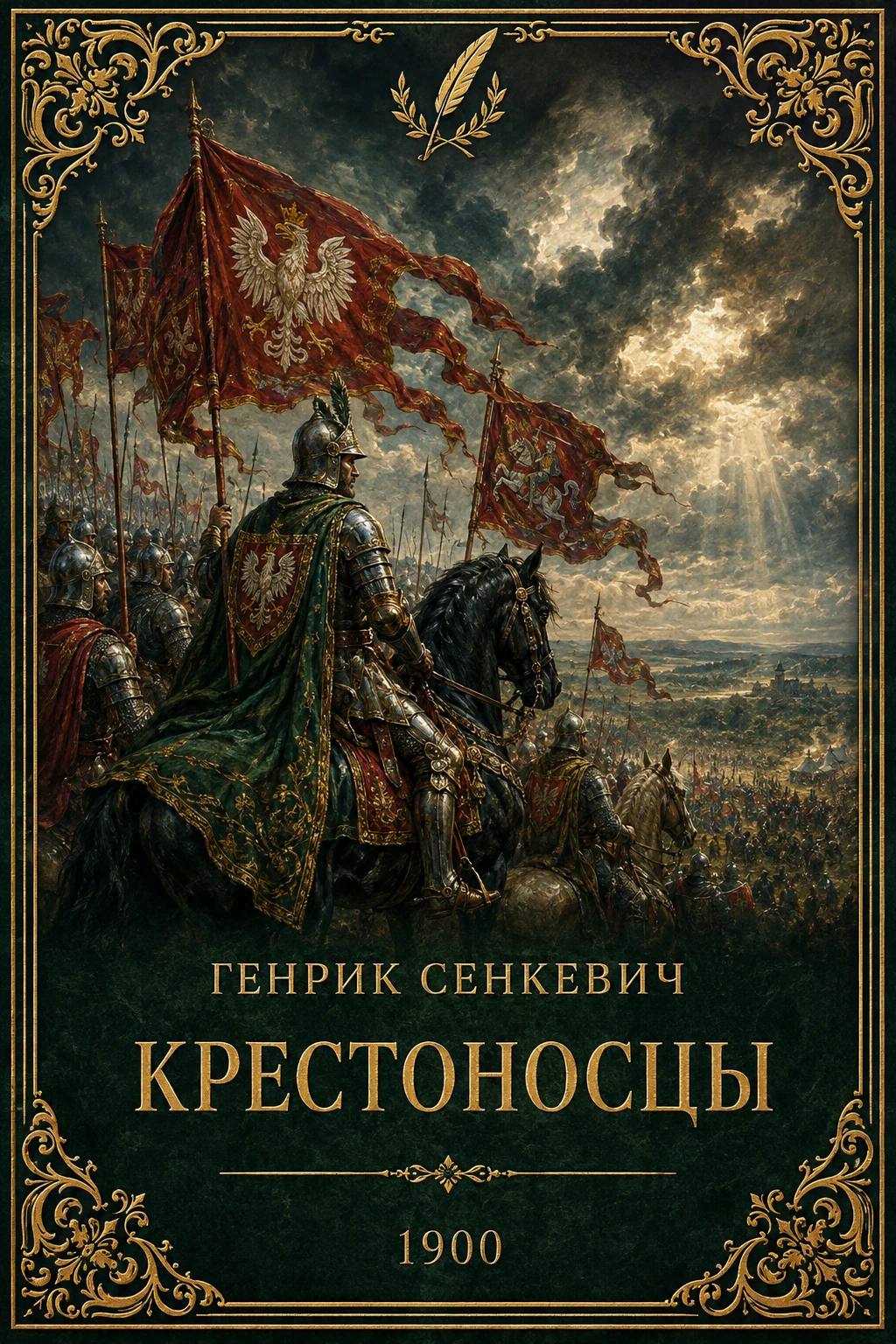
10. Henryk Sienkiewicz - *The Knights of the Cross* (1900)
The novel *The Knights of the Cross* is dedicated to the confrontation between Poland and the Grand Duchy of Lithuania with the Teutonic Order, occurring at the turn of the 14th and 15th centuries. The fates of Zbyszko of Bogdaniec, Maćko, Danusia, and Jurand unfold against the backdrop of the intensifying conflict with the Teutonic Knights. The narrative concludes with the events of the Great War of 1409-1411 and the famous Battle of Grunwald.
A curious fact about the book: before being released as a standalone edition in 1900, *The Knights of the Cross* was published in parts in the Polish periodical press for several years. Sienkiewicz wrote the novel at a time when a significant portion of Polish lands was under the rule of the Russian, German, and Austro-Hungarian Empires, which gave its historical themes particular significance for Polish readers.
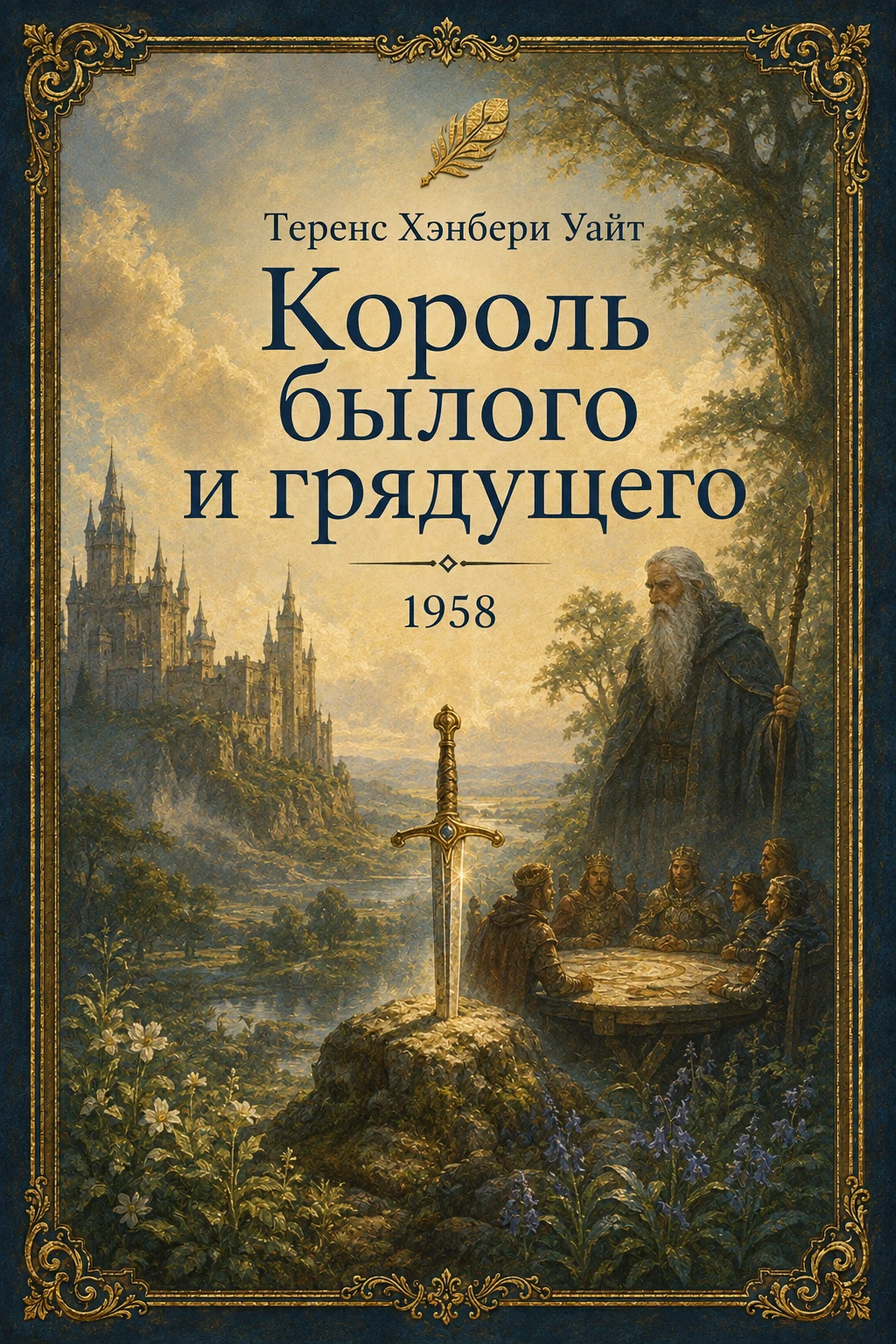
11. T. H. White - *The Once and Future King* (1958)
This tetralogy is a literary reimagining of the legends of King Arthur and the Knights of the Round Table. The narrative covers Arthur's youth, his apprenticeship under Merlin, the creation of the Round Table, the adventures of the knights, the relationship between Lancelot and Guinevere, and the gradual disintegration of the state Arthur created.
A curious fact about the book: three parts of the future tetralogy were originally released as independent works between 1938 and 1940, and *The Once and Future King* was finally completed in 1958. White also wrote a fifth book, *The Book of Merlyn*, intended as the conclusion to the story, but it was published only after the author's death, in 1977.
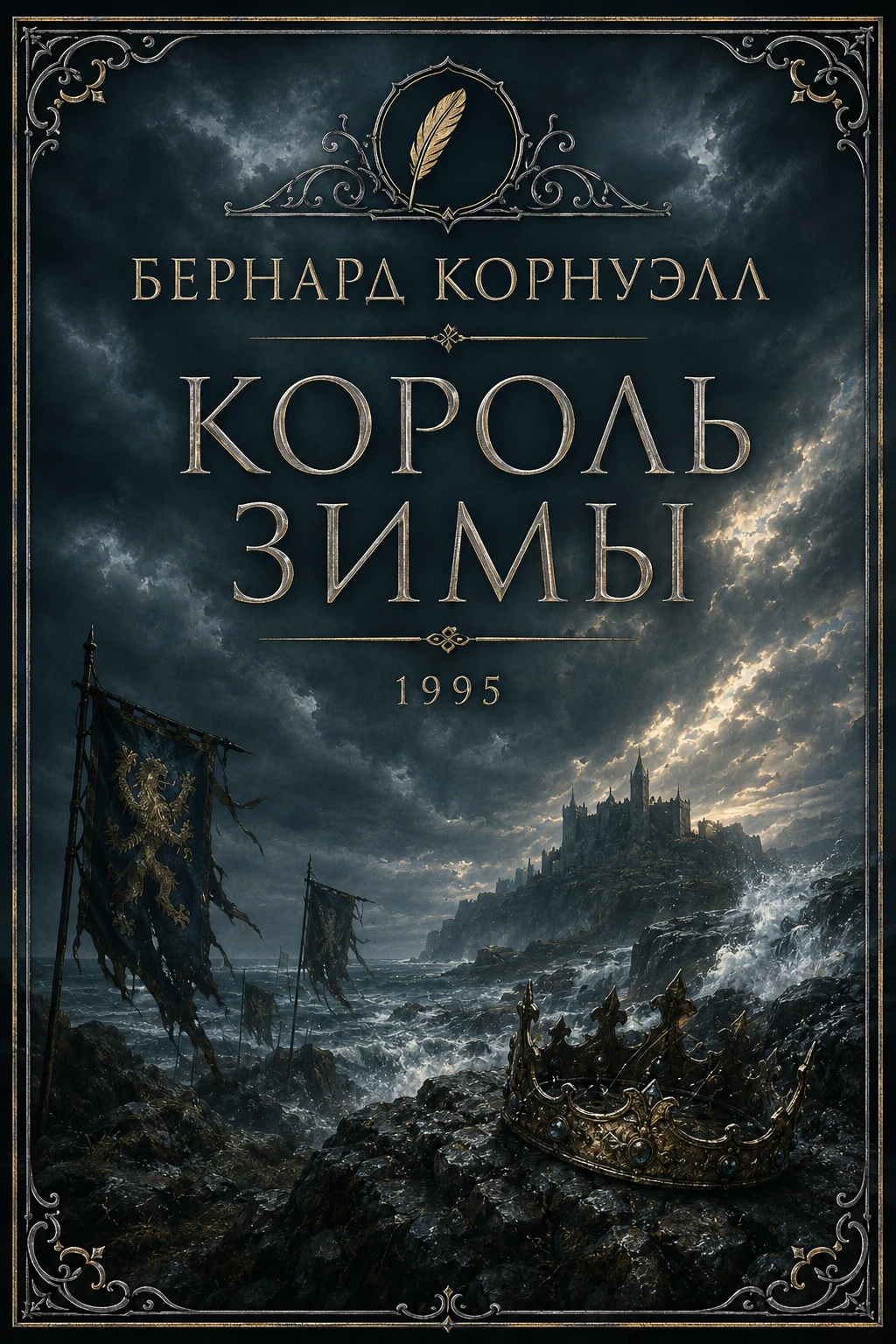
12. Bernard Cornwell - *The Winter King* (1995)
The first book in *The Warlord Chronicles* presents the legendary hero not as a fairytale monarch, but as a military leader of Dark Age Britain. The story is told by the warrior Derfel, who recalls the struggle of the British kingdoms against the Saxons and the events involving Arthur, Merlin, Guinevere, and Mordred.
A curious fact about the book: in Cornwell's version, Arthur is formally not a king at all. After the death of Uther, the young Mordred becomes the heir, and Arthur is appointed as one of his guardians, gradually transforming into the de facto leader of the Britons.
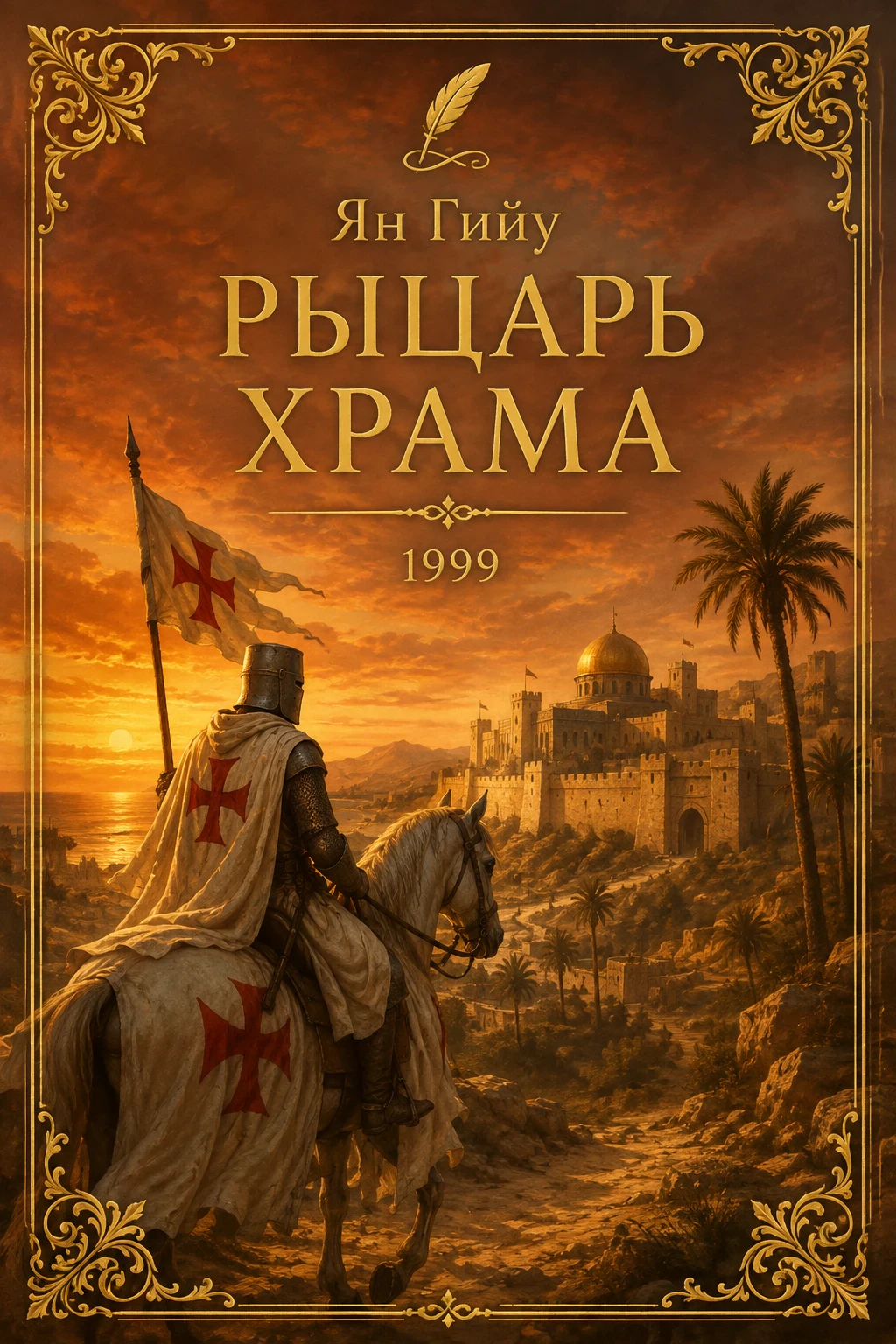
13. Jan Guillou - *The Knight Templar* (1999)
A historical novel telling the story of a fictional Swedish knight, Arn Magnusson, serving among the crusaders in the Holy Land. By the beginning of the book, Arn has already served as a Templar for many years and commands a garrison in Gaza, facing both Muslim adversaries and conflicts within the crusader state.
A curious fact about the book: this is the second part of a trilogy about Arn Magnusson. The first book, *The Road to Jerusalem*, was released in 1998; *The Knight Templar* in 1999; and the final novel of the trilogy in 2000. Later, Guillou wrote another book that continues the story of Arn's family.
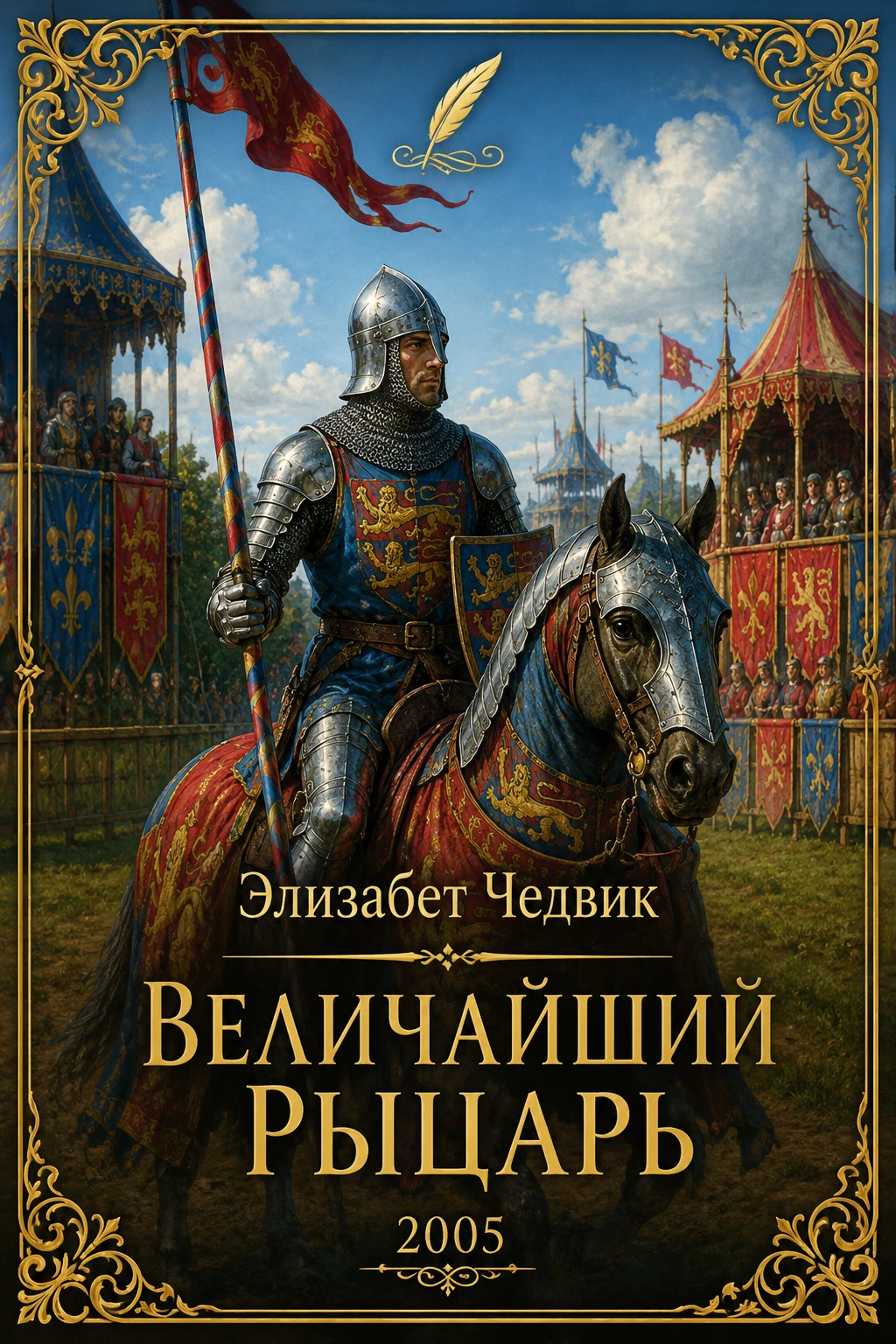
14. Elizabeth Chadwick - *The Greatest Knight* (2005)
Another historical novel based on the biography of a real English knight of the 12th-13th centuries, William Marshal, who built an extraordinary military and political career. The plot tells of his participation in knightly tournaments, his service to the Plantagenets, courtly conflicts, and his gradual ascent from the relatively poor younger son of a nobleman to one of the most powerful men in England.
A curious fact about the book: the novel's title is no accident. In the final years of his life, William Marshal effectively ruled England during the minority of King Henry III, and after his death in 1219, the Archbishop of Canterbury called Marshal "the greatest knight in the world." He was buried in the Temple Church in London, which was associated with the Knights Templar.
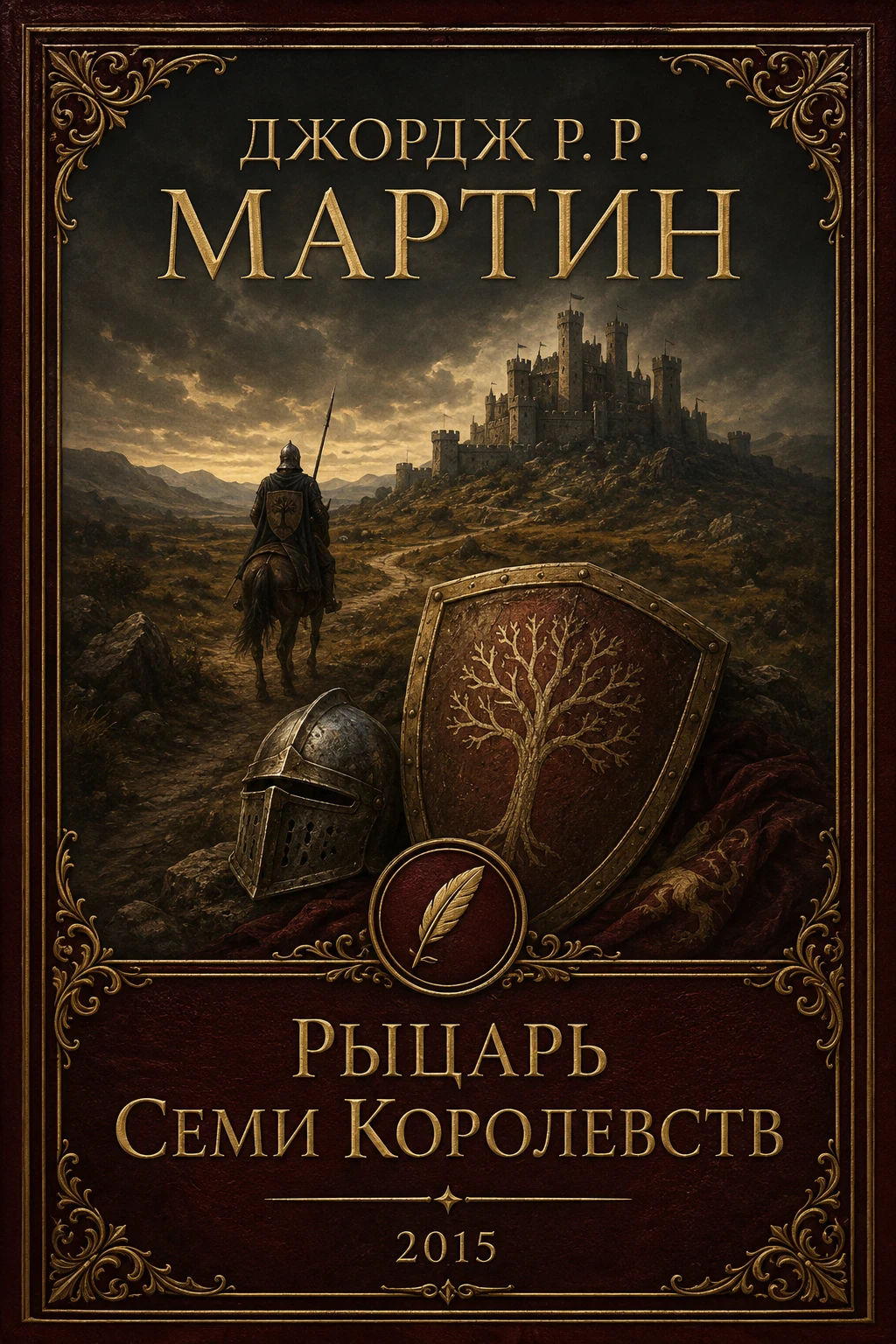
15. George R. R. Martin - *A Knight of the Seven Kingdoms* (2015)
The book brings together three novellas ("The Hedge Knight", "The Sworn Knight", and "The Mystery Knight") about the wandering knight Ser Duncan the Tall, nicknamed Dunk, and his young squire Egg. The heroes travel through Westeros, participate in knightly tournaments, and become embroiled in the conflicts of noble houses approximately a century before the events of *Game of Thrones*.
A curious fact about the book: the three novellas were originally published separately: "The Hedge Knight" in 1998, "The Sworn Knight" in 2003, and "The Mystery Knight" in 2010. It was only in 2015 that Martin combined them into the book *A Knight of the Seven Kingdoms*; the illustrated edition contains more than 160 drawings by artist Gary Gianni.
Conclusion
It is evident that chivalric literature has travelled an incredibly long path, spanning nearly a thousand years-from medieval tales to modern historical novels and fantasy. And despite the resonance of different eras and genres, the themes of honour, duty, courage, and loyalty to one's own moral principles remain constant at the heart of such works. This is precisely why stories of knights continue to be so captivating to readers centuries later.